
Creating Zones in Your Bedroom for Sleep, Dressing, and Work
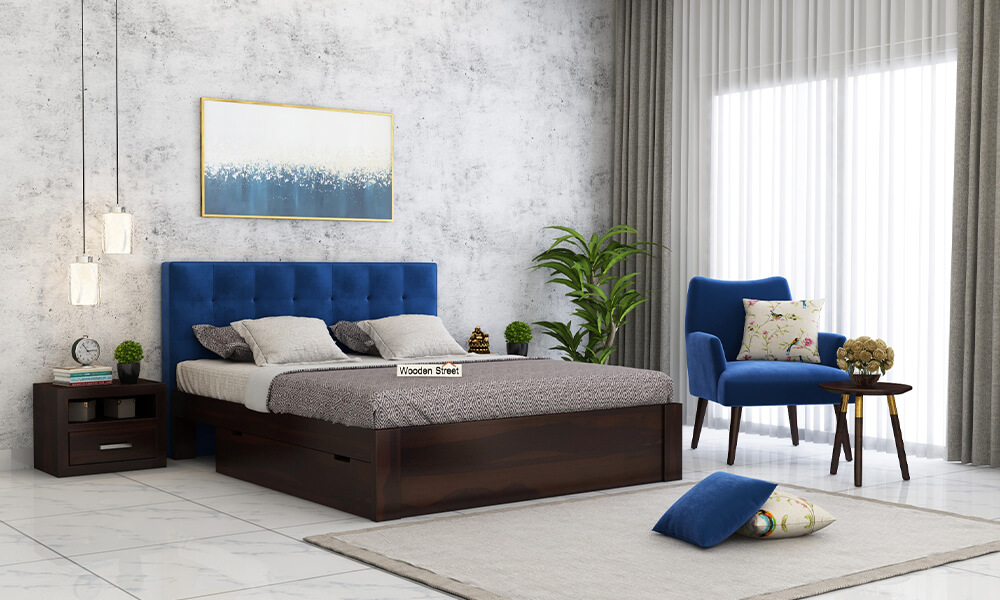
The bedroom has evolved from a simple sleeping space into a multifunctional sanctuary. In today’s fast-paced world, it’s not uncommon for a bedroom to double as a dressing room, a home office, or even a place for quiet retreat. To make the most of this vital space, creating distinct zones for sleep, dressing, and work is essential. These zones not only help you stay organized but also improve your ability to focus, relax, and unwind. With a few thoughtful design choices, your bedroom can become a more efficient and enjoyable environment.
The Importance of Zoning
Before diving into the specifics, it’s important to understand why zoning matters. Our brains associate spaces with specific activities. When we use a space consistently for one function, it reinforces that mental association. This is why working in bed can lead to poor sleep—it confuses the brain’s association between the bed and rest. By dividing your bedroom into purposeful zones, you allow each area to support its intended function, enhancing both productivity and relaxation.
The Sleep Zone
The sleep zone should be the most restful part of your bedroom. Ideally, this area is centered around your bed and immediately surrounding furniture. To optimize this zone, consider placing the bed in a quieter corner of the room, away from doors and windows where noise and light can disrupt sleep.
Use soft lighting—think bedside lamps with warm-toned bulbs or wall sconces on dimmers. Your bed should invite rest, so invest in high-quality bedding and a mattress that suits your comfort needs. Nightstands on either side help define the area, and matching bedroom sets can bring a cohesive, calming aesthetic to the space without drawing too much attention to themselves.
If space permits, consider adding a small bench at the foot of the bed. It provides a place to sit while dressing or putting on shoes and contributes to the visual boundary of the sleep zone.
The Dressing Zone
Getting dressed should feel like an effortless part of your morning routine. A well-planned dressing zone makes this possible. Start by identifying where your wardrobe or closet is located and plan around it. If your closet is small, a freestanding armoire or dresser can serve the same purpose and define the dressing area.
Mirrors are a must in this zone, not just for checking your outfit but for enhancing light and creating the illusion of more space. A full-length mirror on a wall or behind a door works well in smaller rooms, while larger spaces can accommodate a dressing table with a mirror and stool.
Good lighting is crucial in this zone too. Natural light is ideal, but if that’s not available, opt for adjustable or layered lighting so you can see colors and textures clearly. Rugs or carpets underfoot can define the space and add comfort, especially on chilly mornings.
Furniture arrangement plays a big role here. If you’ve chosen a bedroom set, consider how the dresser or vanity pieces complement each other and help define this dressing area. Positioning them away from your sleep zone will help mentally separate the tasks of dressing and resting.
The Work Zone
With the rise of remote work, it’s common to find a desk tucked into the corner of a bedroom. But to avoid blurring the lines between work and rest, it’s important to carve out a dedicated workspace. Even if space is tight, there are smart ways to establish a functional work zone.
Start with a compact desk that fits your workflow. Fold-down desks or wall-mounted options can be perfect in smaller rooms. Place your desk near a window if possible to take advantage of natural light, which boosts mood and productivity. If not, invest in a good desk lamp with adjustable brightness and temperature settings.
Storage solutions are key to keeping this zone clutter-free. Floating shelves or narrow bookcases can provide vertical storage without eating into floor space. Try to keep your work tools, electronics, and paperwork confined to this zone to minimize distractions in other parts of the room.
Visually separating this area from the rest of the bedroom helps your mind shift into “work mode.” Use a room divider, a tall plant, or even a distinct rug to outline this zone. The goal is to give your brain a clear signal that this corner is for focus and productivity—not for sleeping or getting dressed.
Designing with Flow and Harmony
While creating distinct zones is important, your bedroom should still feel cohesive. Avoid abrupt shifts in style or color between zones. Instead, opt for a unified color palette and materials that create visual flow. This is where choosing furniture sets or coordinating pieces can subtly enhance your design. When dressers, nightstands, and bed frames share similar materials or finishes, it reinforces a sense of order and balance, even when serving different functions.
Also, consider the pathways between zones. You should be able to move easily from one area to another without obstruction. A well-thought-out floor plan can make even the smallest bedrooms feel spacious and functional.
Final Thoughts
Creating zones in your bedroom for sleep, dressing, and work is a simple yet powerful way to elevate your space. With deliberate placement of furniture, lighting, and decor, each zone can support a specific part of your day—from waking up and getting dressed to finishing a late-night work session and winding down for sleep. Whether you’re starting fresh or simply rearranging what you already have, thoughtful zoning can transform your bedroom into a more organized, peaceful, and productive environment. And with the right bedroom set anchoring your space, that transformation might be easier than you think.