Role of Technology in Improving Radiation Food Preservation Methods
India wastes nearly 40% of its food production every year – a staggering loss that costs the economy billions of rupees and deprives millions of adequate nutrition. As the country scales up its cold chain infrastructure and explores scientifically advanced alternatives, food preservation by radiation has emerged as one of the most promising frontiers. Backed by decades of global research and an evolving regulatory framework in India, technology is now reshaping how this method works, how safe it is, and how widely it can be adopted.
How Modern Technology Has Transformed Irradiation Equipment
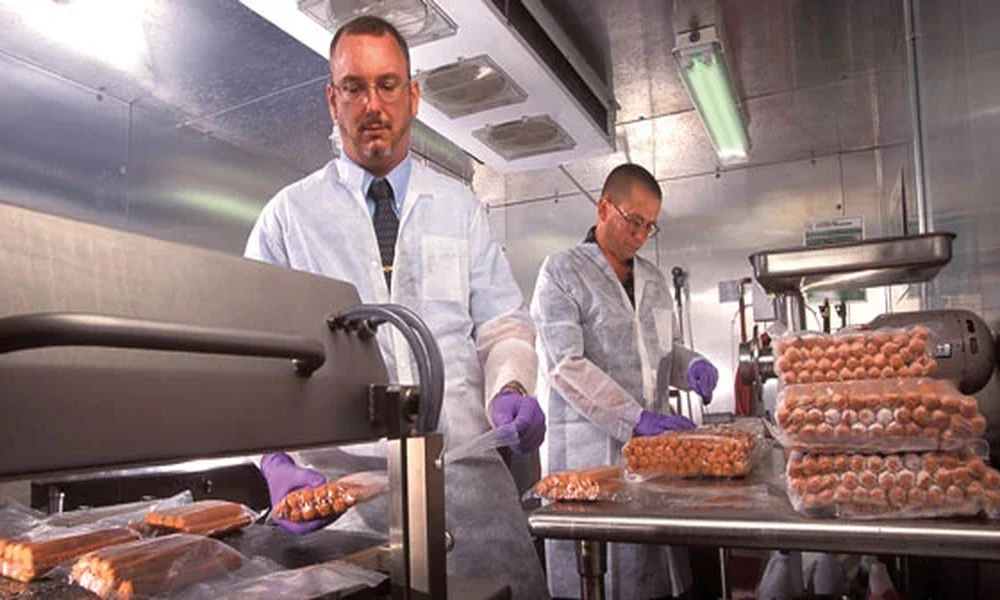
Early irradiation systems were bulky, expensive, and difficult to operate consistently. Today, the landscape looks entirely different. Advances in accelerator technology have produced compact electron-beam machines that can be integrated into mid-sized food-processing facilities without requiring the vast infrastructure that older cobalt-60 units demanded.
Automation has played a critical role as well. Modern irradiation chambers are equipped with programmable logic controllers (PLCs) that monitor and adjust dosage in real time, ensuring that every batch of food receives a precise, uniform level of treatment. Sensors track product density and moisture content, allowing the system to self-correct. This level of precision was simply not achievable a generation ago.
Dosimetry and Digital Monitoring: Precision at Scale
One of the most significant technological leaps in the irradiation method of food preservation is the advancement of dosimetry – the science of measuring absorbed radiation dose. Older systems relied on manual chemical dosimeters that introduced human error. Modern facilities now use radiochromic film dosimeters and digital readout systems that log every treatment automatically.
This digital trail matters enormously for food safety compliance. Indian exporters, in particular, benefit from this traceability because international buyers increasingly demand documented proof of treatment parameters. Digital dosimetry systems can generate batch certificates within minutes, streamlining export documentation and reducing rejection rates at foreign ports of entry.
AI and Data Analytics in Optimising Irradiation Outcomes
- Artificial intelligence models are now being trained on large datasets from irradiation facilities to predict optimal dose ranges for different food categories – from spices and grains to fresh mangoes and seafood.
- Machine learning algorithms can detect anomalies in dose distribution across a conveyor belt and flag inconsistencies before a compromised batch leaves the facility.
- Predictive analytics help facility managers schedule maintenance cycles based on actual equipment wear data rather than fixed calendar intervals, reducing unexpected downtime.
- Data dashboards give quality assurance teams a real-time overview of treatment parameters, temperature inside irradiation chambers, and post-treatment microbial load estimates – all from a centralised interface.
These capabilities are transforming irradiation food preservation from a relatively manual, operator-dependent process into a data-driven, quality-assured operation.
Cold Chain Integration and Hybrid Preservation Systems
Technology is also enabling smarter combinations of preservation techniques. Radiation food preservation does not work in isolation in the most advanced supply chains – it is now paired with modified atmosphere packaging (MAP), vacuum sealing, and refrigeration in hybrid systems that dramatically extend shelf life.
Smart packaging materials embedded with oxygen scavengers and antimicrobial coatings work in tandem with irradiation to maintain food quality after treatment. IoT-enabled cold chain sensors track temperature and humidity throughout transit, alerting handlers if conditions deviate from safe thresholds. When irradiated food is maintained within the right cold chain parameters, shelf life extensions of two to five times compared to untreated produce are routinely achieved.
Regulatory Technology and Consumer Confidence
- India’s Food Safety and Standards Authority (FSSAI) has built a digital compliance portal where irradiation facilities must submit batch records, equipment calibration data, and dosimetry logs.
- The Radura symbol – the international mark indicating irradiated food – is now being incorporated into QR-code-linked packaging in pilot programmes, allowing consumers to scan and verify treatment details.
- Digital literacy campaigns backed by FSSAI and agricultural bodies are using social media platforms and regional language content to demystify irradiation for food preservation among Indian consumers, who have historically shown hesitation toward the technology.
The intersection of precision engineering, artificial intelligence, smart packaging, and digital regulation is rapidly elevating radiation-based preservation from a niche scientific method to a scalable, trustworthy pillar of India’s food security strategy. As infrastructure investment continues to grow, the expansion of the gamma irradiation plant in India network will be central to bringing these technological benefits to farmers, processors, and consumers across the country – reducing waste, improving food safety, and strengthening export competitiveness in equal measure.