
Are Overhead Costs Destroying Your Dental Practice Margins?
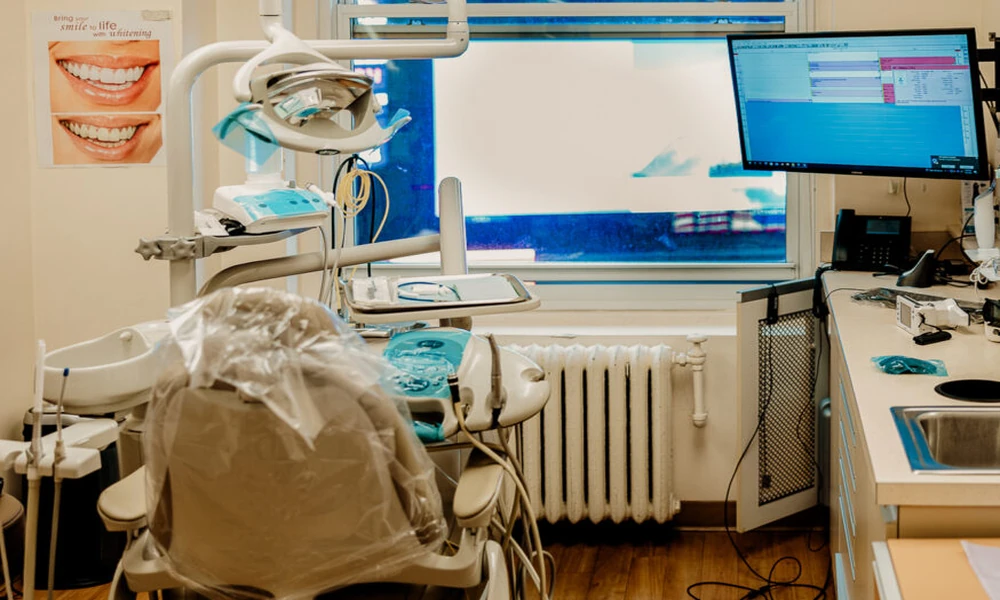
Dental practice overheads such as rent, payroll, clinical supplies, equipment financing, administrative expenses and utilities, play a vital role in determining just how profitable the business is.
Often representing a significant portion of revenue, it’s not uncommon for dental professionals to focus on patient volume and revenue rather than overheads, despite the critical role they play in the practice’s finances.
Local specialist dental accountants advise their clients that payroll is usually the biggest overhead expense, and that under certain circumstances, this can significantly impact a practice’s profitability. But there are other factors to consider:
- Payroll
As mentioned, this is a significant expense, and from hygienists and assistants, to administrative support and front desk staff, each essential role can put a strain on a practice’s finances, particularly if staffing levels are higher than productivity.
- Facility costs
Such factors as rent, technology investments and equipment leases are often expenses that are fixed, non-negotiable, and paid monthly irrespective of how busy or quiet each month is. Requiring careful planning, they must align with practice revenue.
- Clinical supplies and laboratory costs
Also contributing to overheads, while these costs individually may seem easy to manage, when added up together, they can represent a reasonably significant percentage of revenue.
- Marketing and administrative expenses
Expenses like software platforms, digital marketing and practice management tools are all capable of supporting a practice’s growth, but without regular reviewing, may not be generating the kind of value necessary to warrant the investment.
A closer look at how staffing can impact overheads
Compounding the pressures of overheads, difficulties associated with staffing can cause operational issues that have a direct impact on both costs and revenue. With a whopping 95% of dentists in the U.S. reporting shortages of staff, there is a clear ongoing crisis with the capacity to create competitive pressure, and drive wages and benefit costs up.
Recruitment is problematic, with many practices facing understaffing issues as a result; leading to burnout and limited production capacity. Add that to the problem of retention, and it’s clear why staffing continues to be an irksome overhead for all dental professionals.
What can dental practices do to manage overheads and protect their margins?
It’s important for any dental practice trying to control their overheads while concentrating on growth, to focus on the following areas:
- Diversify revenue
Membership plans are a great way for practices to gain cashflow that’s more predictable, and through this, they can reduce dependency on annually declining insurance reimbursements, and convert patients without insurance, into members who are engaged and visit on a more regular basis.
- Automate workflows
By automating posting of payments, tracking of benefits and processing of renewals, as well as data entry, dental practices can free up time for their staff to perform other revenue-raising duties, such as attracting new patients and building stronger relationships with existing ones.
- Make staff more productive
For those staff that you already have, encouraging productivity through smart use of chair time, reward programs and training opportunities, can also help you retain them for longer, or attract new staff should the need arise.
- Monitoring performance
Tracking overheads on a monthly basis can help identify trends, and with help from experts in tax planning for dentists, you can compare your practices performance against that of industry benchmarks.
Reducing overheads for your dental practice, doesn’t have to mean compromising on patient care. By gaining a better understanding of how resources are being used, and making sure that every expense supports the business’s long-term financial health, practices can steer profits in the right direction, while growing the business, and continuing to provide consistently great patient care.