
How Homeopathy Approaches Aplastic Anemia Care
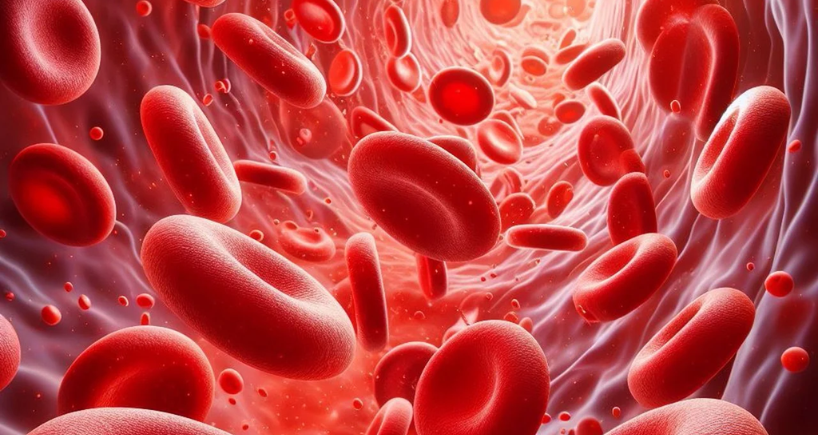
Aplastic anemia is a rare but serious condition where the bone marrow fails to produce enough blood cells. This imbalance leads to fatigue, infections, and bleeding risks. While conventional medicine focuses on transfusions, immunosuppressants, or bone marrow transplants, many patients in India are exploring complementary therapies. Among these, aplastic anemia homeopathic treatment in India is gaining recognition for its gentle, holistic approach.
What Makes Aplastic Anemia Different
Unlike iron-deficiency anemia or vitamin-related anemia, aplastic anemia involves a complete suppression of bone marrow activity. Patients face shortages of red cells, white cells, and platelets simultaneously. This makes the condition more complex and requires careful, long-term management. Homeopathy interprets such systemic imbalance as a sign of deeper disharmony and aims to restore natural equilibrium rather than only manage symptoms.
Principles Behind Homeopathic Care
Homeopathy works on the principle of “like cures like,” using highly diluted remedies to stimulate the body’s healing response. In chronic conditions like aplastic anemia, homeopathic medicine for aplastic anemia is chosen after a detailed evaluation of the patient’s constitution, lifestyle, and emotional state.
Key principles include:
- Individualisation: Remedies are tailored to each patient’s unique profile.
- Holistic healing: Treatment considers physical, mental, and emotional aspects.
- Gentle stimulation: Medicines aim to activate the body’s natural defences.
- Long-term focus: Care is designed for gradual improvement rather than quick fixes.
Role of the Homeopathic Physician
A qualified homeopathic physician plays a central role in guiding patients. Unlike generalised prescriptions, homeopathy requires detailed case-taking, where the physician studies medical history, triggers, and overall health. This careful process helps identify the most suitable aplastic anemia homeopathic medicine for long-term support.
The physician’s role includes:
- Conducting thorough consultations.
- Monitoring progress regularly.
- Adjusting remedies as the patient’s condition evolves.
- Coordinating with conventional doctors when necessary.
Benefits Patients Often Seek
Patients often turn to homeopathy for reasons beyond symptom control. Some of the commonly sought benefits include:
- Reduced side effects: Remedies are non-toxic and safe for long-term use.
- Complementary support: They can be used alongside conventional treatments under supervision.
- Improved vitality: Many patients report better energy and resilience.
- Emotional balance: Stress and anxiety are also addressed in homeopathic care.
- Holistic lifestyle guidance: Physicians often advise on diet, sleep, and stress management.
Commonly Referenced Remedies
While remedies are always individualised, certain medicines are often discussed in the literature for blood-related disorders:
- Arsenicum Album: Considered for weakness and restlessness.
- China Officinalis: Used for extreme fatigue after blood loss.
- Ferrum Metallicum: Associated with anemia and pallor.
- Phosphorus: Sometimes chosen for bleeding tendencies.
- Calcarea Phosphorica: Linked with bone marrow support in some cases.
It is important to note that these are general references. Only a trained homeopathic physician can decide the right remedy after thorough evaluation.
Patient-Centred Approach in India
India has a strong tradition of integrating alternative therapies with mainstream medicine. Clinics offering aplastic anemia homeopathic treatment in India emphasise patient education, lifestyle guidance, and regular monitoring. This collaborative model ensures that patients receive comprehensive care without neglecting conventional medical safeguards.
Patients often appreciate:
- Regular follow-ups with physicians.
- Guidance on nutrition and lifestyle.
- Emotional counselling alongside medical care.
- A sense of empowerment in their healing journey.
Lifestyle and Supportive Measures
Homeopathy often works best when combined with supportive lifestyle changes. Patients are encouraged to:
- Eat a balanced diet rich in iron, folate, and vitamin B12.
- Avoid exposure to toxins or harmful chemicals.
- Practice stress-relieving activities such as yoga or meditation.
- Maintain regular sleep patterns to support immunity.
These measures, combined with aplastic anemia homeopathic medicine, can help improve resilience and overall well-being.
Challenges and Considerations
While homeopathy offers hope, patients must remain realistic. Aplastic anemia is a serious condition, and urgent medical interventions should never be delayed. Homeopathy works best as supportive therapy, improving quality of life and resilience. Consulting both hematologists and homeopathic experts ensures balanced decision-making.
Challenges include:
- The need for patience, as homeopathic progress is gradual.
- Ensuring remedies are prescribed by qualified professionals.
- Avoiding self-medication, which can be ineffective or unsafe.
Homeopathic Cure for Kidney Stones: Challenges and Considerations
Many people explore a homeopathic cure for kidney stones as a natural approach to managing symptoms and supporting overall urinary health. Homeopathy focuses on individualized treatment based on a person’s symptoms, lifestyle, and health condition. However, kidney stones can vary in size, type, and severity, so treatment approaches should always be discussed with a qualified healthcare professional.
Challenges and Considerations
While homeopathy may help some individuals manage discomfort and support wellness, it is important to have realistic expectations. Kidney stones may require medical evaluation, especially in cases involving severe pain, urinary blockage, infection, or larger stones.
Key considerations include:
- The need for proper diagnosis: Understanding the size and type of kidney stones is essential before choosing any treatment approach.
- Consulting qualified professionals: Homeopathic remedies should be taken under the guidance of experienced practitioners.
- Avoiding self-medication: Using remedies without professional advice may delay appropriate care.
- Maintaining healthy lifestyle habits: Adequate hydration and dietary modifications can support kidney health.
A balanced approach, combining professional medical guidance with supportive therapies, can help individuals make informed decisions about managing kidney stones safely.
Gentle Healing with Homeopathy
Homeopathy approaches aplastic anemia care with compassion and personalisation. By focusing on the whole individual, it seeks to restore balance and vitality. For many families in India, exploring aplastic anemia homeopathic medicine under professional guidance has become part of a broader healing journey.
This path emphasises patience and consistency, reminding patients that gradual improvements often lead to lasting results. With the guidance of a skilled homeopathic physician, individuals can feel supported not only medically but emotionally, fostering hope and resilience in the face of a challenging condition.
———————————————————————————————-