
Where to Find Specialty Coffee Beans in Singapore
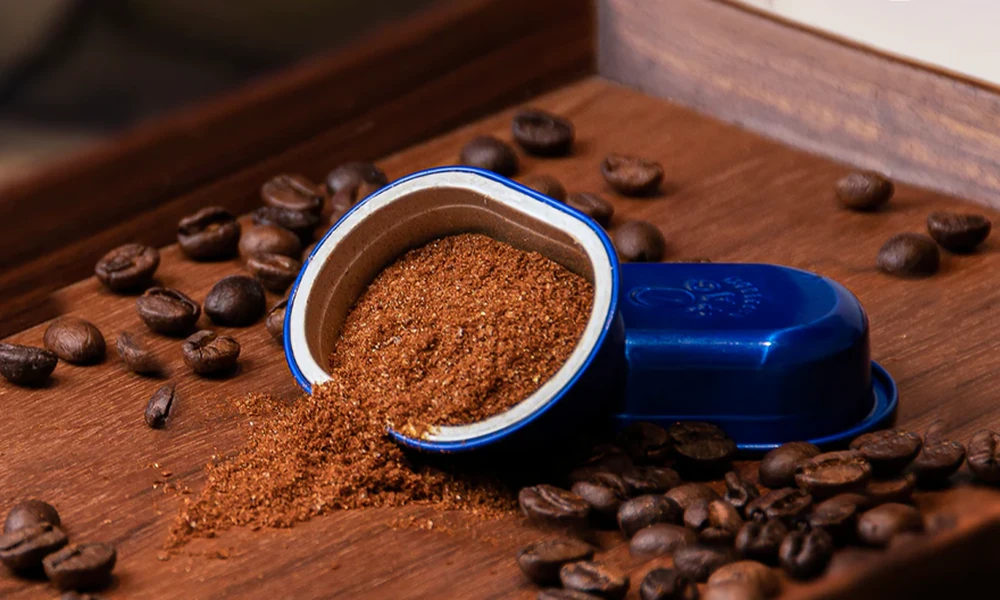
The word specialty gets applied loosely in coffee marketing, but it actually refers to a specific quality tier, and knowing what separates specialty-grade beans from ordinary commercial coffee helps an office make a genuinely better decision when sourcing beans rather than just paying more for a label.
What Specialty Grade Actually Means
Specialty coffee is typically defined by an industry cupping score, generally eighty points or above on a hundred-point scale assessed by trained tasters, which accounts for factors like aroma, acidity, body, and the absence of defects in the beans themselves. This scoring system exists precisely because coffee quality varies enormously even within a single origin, and beans grown on the same hillside can differ significantly based on how carefully they’re picked, processed, and stored before reaching a roaster. Buying specialty-grade beans means you’re paying for a level of quality control that starts well before the beans ever reach Singapore.
Single Origin Versus Blends
Specialty beans are often sold as single origin, meaning every bean in the bag comes from one specific farm, region, or country, which lets the distinct characteristics of that growing environment come through clearly in the cup. A single origin Ethiopian bean, for instance, often carries bright, fruity notes distinct from the heavier, chocolatey profile common in beans from parts of Latin America. Blends combine beans from multiple origins to achieve a more balanced, consistent flavour profile, which some offices prefer specifically because it produces a more universally palatable cup for a large, varied team rather than a more distinctive but polarising single-origin flavour.
Roast Level and How It Shapes Flavour
Roasting transforms raw green coffee into the aromatic brown beans familiar from any pantry bag, and the degree of roast has an enormous effect on final taste independent of the bean’s origin. Lighter roasts preserve more of the bean’s original acidity and origin-specific character, while darker roasts develop more caramelised, bitter notes that can mask some of those origin nuances in favour of a bolder, heavier cup. Offices sourcing specialty beans should think about roast level as a genuine preference decision rather than a quality marker, since a well-executed light roast and a well-executed dark roast are both legitimate expressions of specialty-grade coffee.
Freshness and Roast Dates
One advantage of sourcing through a dedicated coffee supplier rather than a generic grocery channel is access to beans with a clearly stated roast date, since coffee begins losing its aromatic complexity within weeks of roasting, well before any printed expiry date would suggest. For an office ordering beans regularly, working with a supplier that rotates stock on a predictable cycle matters more for actual cup quality than almost any other single factor, since even the best-grown beans taste flat if they’ve sat too long after roasting.
Sourcing Specialty Beans for Office Use
For companies looking to bring genuinely good coffee into their pantry rather than settling for generic commercial-grade beans, browsing a dedicated range such as the specialty and origin coffee beans available through Daiohs gives a practical starting point, since options are typically organised by origin and roast profile rather than buried among generic supermarket labels. This makes it easier to select beans that actually match your office’s taste preferences rather than guessing from a vague product description.
Reading Tasting Notes Without Overthinking Them
Specialty bean packaging often includes tasting notes like “citrus” or “dark chocolate,” and it’s worth treating these as rough directional guides rather than literal promises, since palates vary and a note written by a professional cupper doesn’t always match what an average office drinker perceives. Rather than agonising over matching notes precisely to personal preference, it’s more useful to treat them as a general indicator of whether a bean leans bright and acidic or heavier and rounder, then let a small trial order settle the rest.
Matching Beans to Your Office’s Machine and Habits
The right specialty bean also depends on how your office actually brews it, since a bean roasted and blended for espresso extraction won’t necessarily shine the same way through a filter brewer, and vice versa. It’s worth asking a supplier whether a given bean is recommended for your specific machine type, since this pairing affects final taste as much as the bean’s inherent quality does.
Balancing Variety With Consistency
Offices sometimes assume that offering multiple rotating specialty beans automatically improves the pantry experience, but variety without a plan can backfire if staff never settle into a bean they genuinely enjoy before it’s swapped out again. A more effective approach for most shared pantries is settling on one or two well-chosen specialty beans as a steady default, then occasionally introducing a rotating option for people who enjoy trying something different, rather than cycling through a new bean every few weeks with no consistent baseline underneath it. This balance tends to satisfy both the majority who just want a reliably good default cup and the smaller group who appreciates variety.
Setting a Reasonable Budget Expectation
Specialty-grade beans cost more than generic commercial coffee, and it’s worth setting a realistic budget expectation before comparing suppliers, since sticker shock at the specialty price point sometimes leads offices to abandon the idea prematurely. In practice, the incremental cost of upgrading a shared pantry from commercial-grade to specialty-grade beans is usually modest relative to overall office expenses, particularly once weighed against the goodwill a noticeably better daily cup generates across a whole team.
Finding specialty coffee beans in Singapore comes down to understanding what the grade actually signifies and then narrowing choices by origin, roast level, and freshness, rather than assuming any bag labelled specialty automatically delivers a noticeably better cup than what your office is currently using.