The Ultimate New Homeowner Checklist for a Smooth Transition

Becoming a new homeowner checklist is an exciting milestone, but it also comes with a fair share of responsibilities. Whether you’re settling into a newly purchased property or moving into your first home, having a structured checklist can make the transition easier, more organized, and less stressful. Here’s a professional, well-rounded guide to help you navigate the process smoothly and confidently.
Change Locks and Secure the Property
One of the first steps after getting the keys to your new home is to change all exterior locks. You can never be certain who may have a spare key from the previous ownership. In addition, inspect the property for existing security systems, and consider installing new ones or updating current systems to suit your needs.
Set Up Utilities and Essential Services
Ensure that water, electricity, gas, internet, and garbage services are all up and running. Contact local providers in advance to set up accounts or transfer service to your name. Scheduling installations before your move-in date can help you avoid delays or disruptions.
Inspect and Service Major Systems
Before settling in fully, it’s wise to inspect HVAC systems, plumbing, electrical wiring, and smoke detectors. Hire professionals if needed for a thorough inspection. Routine servicing at this stage can help prevent larger problems down the road.
Update Your Address
Notifying relevant parties of your new address is crucial. Start with the postal service to forward your mail. Then, update your address with banks, insurance providers, employers, and government agencies such as the tax department or voter registration offices.
Create a Maintenance Calendar
Regular maintenance keeps your home in top condition. Develop a calendar for tasks like checking the roof, cleaning gutters, changing HVAC filters, and servicing appliances. Preventative maintenance saves money and extends the lifespan of your home systems.
Review Home Insurance Coverage
Ensure your homeowner’s insurance policy accurately reflects the value and structure of your property. It’s important to confirm that your belongings, potential liabilities, and the structure itself are adequately covered.
Familiarize Yourself with the Neighborhood
Introduce yourself to neighbors and explore local amenities. Learn the locations of nearby hospitals, grocery stores, schools, and public transportation stops. This will help you feel more connected and comfortable in your new surroundings.
Plan Interior and Exterior Upgrades
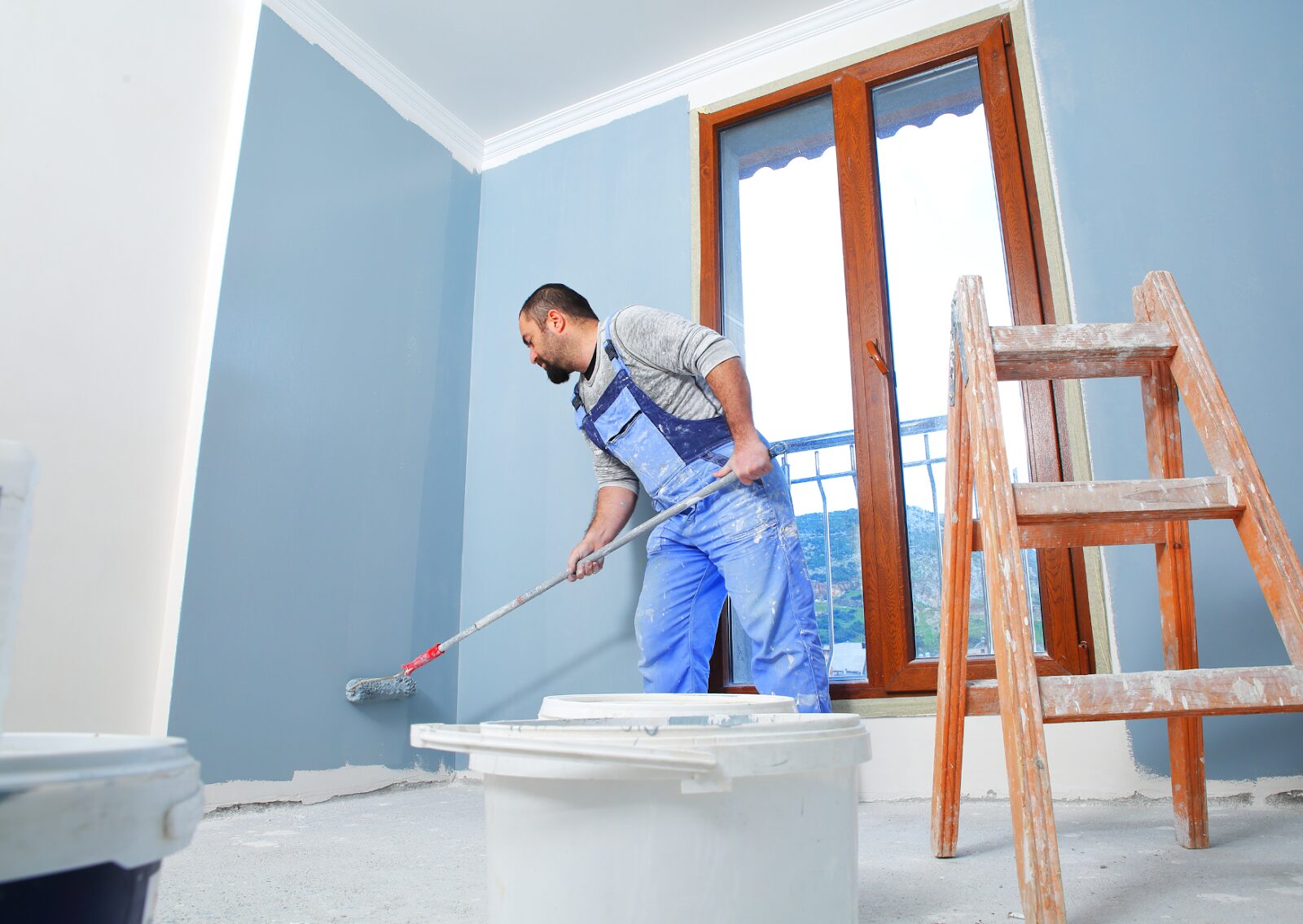
Make a list of upgrades you’d like to tackle, both immediate and long-term. This might include painting walls, landscaping the garden, or renovating key rooms. Prioritize based on safety, functionality, and budget.
Organize Legal and Ownership Documents
Keep your property deed, mortgage documents, inspection reports, and service warranties in a secure, easily accessible location. Digital copies backed up to the cloud are also a good safeguard.
Celebrate the Milestone
Finally, take a moment to appreciate this achievement. Whether you host a small housewarming party or simply enjoy a quiet evening with your family, recognize the hard work and planning it took to make your new home a reality.
By following this ultimate checklist, you’ll be well-equipped to make your transition into homeownership as smooth and seamless as possible. Taking proactive steps early on can ensure that your home remains a safe, comfortable, and well-maintained haven for years to come.