Grocery Store Injury: How a Chicago Slip and Fall Lawyer Reconstructs a Spill
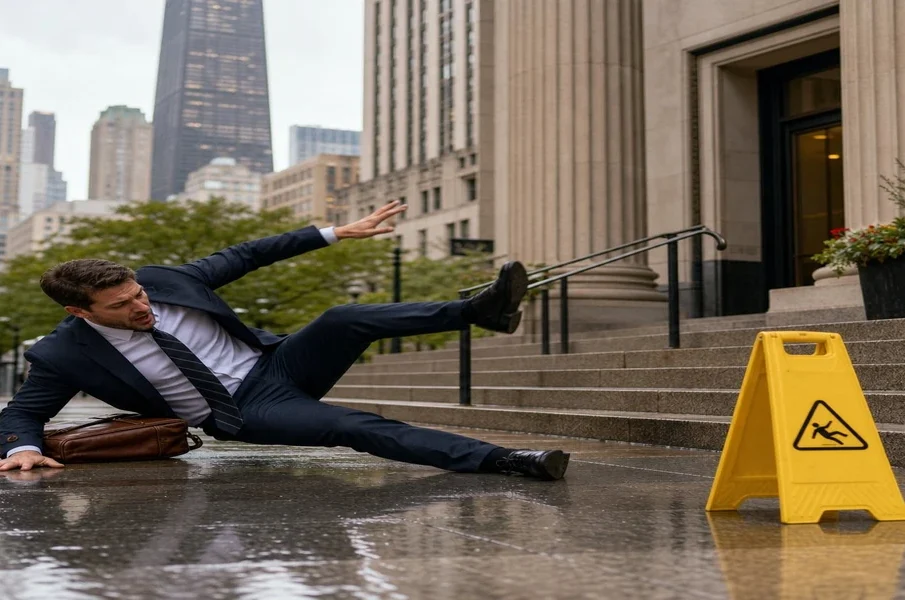
Recreating a Grocery Store Spill in Chicago With an Injury Attorney
After someone slips near a freezer and lands in a pool of water, a box of cereal scattered on the floor and a shopping cart with one wheel turning, the incident seems clear. But it is not always clear how long the spill had been there. Store logs might record a floor check only moments before the fall, but a receipt, a walkie-talkie transmission and a small amount of video indicate the water had been flowing on the light-colored tile for a longer time.
2:08 p.m. Water Is In the Aisle
The reconstruction starts with the freezer. You might see water under a warped base panel, near a dirty grout joint or around a door gasket that is out of alignment. Images showing people walking in the spill, with more on his response, soggy boxes and water running from the freezer to the end cap can indicate if the spill occurred recently or had been building over time.
Water spreading from a grocery store freezer into the aisle
A lawyer might also look at maintenance reports for that specific freezer. Documentation of a door problem, ice buildup or a cleaning of the drip tray earlier that day can provide more information. A partially peeled maintenance sticker inside the case might also tell when the last technician visited the unit.
2:17 p.m. A Receipt May Set a Date and Time
If a customer had been in the store before the fall, he may have bought milk, bread and batteries at 2:17 p.m. A receipt indicates that a customer was in the store, but it doesn’t show when he walked down the frozen-food section. This is important when a witness recalls walking around a puddle by some frozen pizzas.
Other purchases could also give you clues. An order of ice cream bought from register four might be checked against video of a customer’s wet cart. Information from a loyalty card, a self-service kiosk and a cash register might all vary by a minute or two, so the actual time data needs to be checked.
2:24 p.m. An Inspection Sheet Might Not Be Accurate
A floor check might be recorded on a store log at 2:24 p.m. and signed with a pen. You might notice that other entries are written in the same handwriting, use the same ballpoint pen or have the same number of strokes per letter. The sheet might be hung on a wall in a stock room next to an unused caution cone.
A Chicago slip and fall lawyer might cross-reference that entry against a schedule and dispatch logs. If the person who signed the log was stocking damaged goods in the loading area, there might be a question about whether he really inspected the aisle. A transmission of “water at frozen foods” at 2:21 p.m. might also be in disagreement with a form showing the floor was dry at 2:24 p.m.
2:31 p.m. The Surveillance Camera Doesn’t Show the Puddle
A video recording may only show part of the situation. One camera might film a shopper walking into the aisle and then the camera view is blocked by a stand with colorful bags of chips. Another camera might show an employee bringing out paper towels, but the spill is off camera.
Other details might be visible in the corners of the frame: shoppers moving to a different aisle, a cart wheel making a wet track, or an employee looking down at the floor before grabbing a radio. Requesting the unedited video files might also turn up missing footage, replaced clips (you can see this for yourself at www.technologyreview.com/2019) or a floor plan showing another camera pointing toward the freezer door.
Surveillance camera view of a grocery store freezer aisle
2:36 p.m. An Incident Report Only Documents One Story
Following a fall, a manager might fill out a report on a counter with a coffee stain. Sentences like “water appeared suddenly” might be listed in an incident report as fact, even if no one saw the water appear. A customer should read any statements he signs and shouldn’t guess about the appearance or length of the spill when he is hurt and is looking at an open medical bag.
Documents That Need To Be Saved
Lawyers might ask for the following materials before they are erased or replaced:
- Security footage and the layout of the cameras
- Floor checks, repair orders and cleaning schedules
- Dispatch audio, text messages and employee schedules
- Cash registers and point-of-sale logs
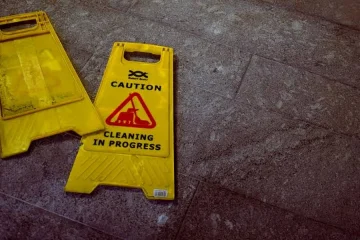
- Pictures of the spill, a caution sign, the door gasket and floor tiles
Putting the Pieces Together
A good reconstruction puts every piece of data on one timeline: a puddle tracked by wet wheels, a receipt from 2:17 p.m., an inspection at 2:24 p.m. and a walkie-talkie transmission that can be heard over static. When these documents are collected quickly, they might show how long the leaky freezer had been a danger and what the store might have done before the customer slipped and fell.