


Due to their capacity to handle high-density IoT deployments and provide ultra-reliable, low-latency connectivity, private 5G networks are quickly gaining popularity among businesses. The choice of spectrum, or the radio frequencies that the network uses for communication, is one of the most important aspects of building and implementing these networks. Businesses must comprehend the available spectrum alternatives and licensing requirements in order to maximise return on investment, assure compliance, and optimise performance.
Comprehending Spectrum for Private 5G
The range of radio frequencies allotted for wireless communication is referred to as the spectrum. Spectrum affects coverage, capacity, and dependability in private 5G networks. Private 5G networks can use licensed, unlicensed, or shared spectrum, depending on company needs, legal frameworks, and financial constraints, in contrast to public networks where operators depend on licensed spectrum for wide-area coverage.
Options for Spectrum in Private 5G Networks
1. Spectrum licenses: National regulatory bodies grant licensed spectrum to a certain organisation for their exclusive use. Businesses may obtain licenses directly or by forming alliances with mobile network operators (MNOs).
- Assurance of uninterrupted communication
- High performance and dependability
- Ideal for crucial applications like healthcare or industrial automation:
- Increased expenses as a result of obtaining a licence
- Restricted accessibility in certain areas
2. Unauthorised Spectrum: Unlicensed bands, such the 2.4 GHz and 5 GHz bands that are typically utilised for Wi-Fi, can be used by the general public without a licence. In these bands, new 5G NR-U (New Radio – Unlicensed) standards can be used by private 5G networks.
- Reduced cost of deployment
- Fast and adaptable network configuration:
- Possible interference from other devices
- Unsuitable for mission-critical or latency-sensitive applications
3. Local and Shared Spectrum: Certain regulatory bodies provide shared spectrum frameworks, such as the 3.5 GHz CBRS in the US. Businesses can combine elements of both licensed and unlicensed usage by dynamically accessing spectrum based on priority tiers.
- Cost and performance in balance
- Ideal for medium-sized installations such as industrial parks or campuses:
- Depending on how other priority users use it, spectrum access may change.
- Spectrum management solutions are necessary to guarantee dependable functioning.
Things to Take Into Account When Choosing a Spectrum
Businesses should consider the following when choosing spectrum for a private 5G network:
- Coverage vs. capacity requirements: better frequencies offer better throughput but shorter range, whereas lower frequencies offer greater coverage but less capacity.
- Application requirements: While non-critical applications may run on unlicensed bands, mission-critical operations require dependable licensed or shared spectrum.
- Regulatory compliance: To prevent fines and service interruptions, adherence to national spectrum legislation and licensing requirements is crucial.
- Cost and scalability: The choice of spectrum affects both initial outlay and ongoing operating expenses.
Conclusion: The effective implementation of private 5G networks depends critically on spectrum selection and licensing. To balance performance, dependability, and cost, businesses must carefully evaluate licensed, unlicensed, and shared spectrum choices. Organisations may create private 5G networks that provide high-speed, low-latency connectivity, support mission-critical applications, and enable creative industrial and enterprise use cases by comprehending spectrum availability, regulatory frameworks, and application requirements. A sound spectrum strategy guarantees that private 5G networks are both economically feasible and technologically sound, providing a solid basis for digital transformation.

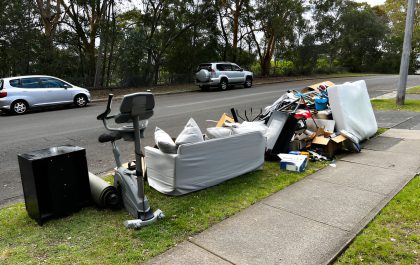
Can load weight restrictions affect same-day service availability?
Load weight restrictions directly impact same-day service scheduling when removal projects exceed vehicle capacity limits or regulatory weight thresholds. Heavy material accumulations require specialised equipment or multi-trip arrangements that standard same-day scheduling cannot accommodate. acejunkremovalservice must evaluate project weight estimates against available vehicle capacities before…