Alabama Premises Liability Rules For Slip and Falls in Birmingham
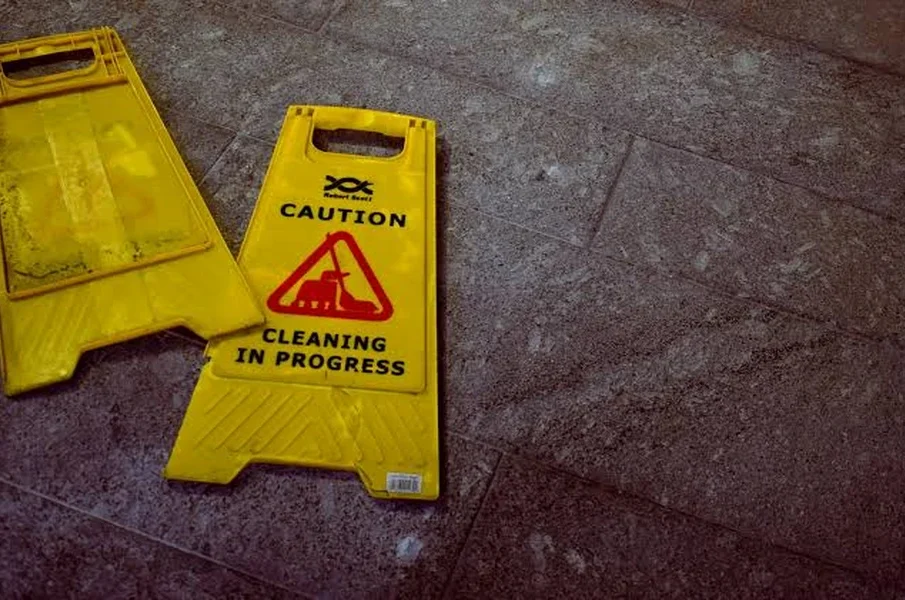
You might be feeling shaken, sore, and unsure what to do next. One moment you were walking through a store, apartment complex, restaurant, or parking lot in Birmingham, and the next you were on the ground, embarrassed and hurt, with bills and questions starting to pile up. That kind of fall can change an ordinary day fast. Speaking with a premises liability attorney can help you understand whether what happened was just bad luck, or whether the property owner should be held responsible.
The short answer is that Alabama law can allow recovery after a fall, but these cases are rarely simple. In many Birmingham slip and fall cases, the key questions are whether the owner knew, or should have known, about the danger, whether they had a fair chance to fix it, and whether the injured person is likely to be blamed for missing an open hazard. Because Alabama follows strict fault rules, even a small dispute over responsibility can shape the whole claim.
When does a slip and fall become a premises liability claim in Alabama?
If you slipped on a wet floor, tripped over broken pavement, or fell because of poor lighting or clutter, you may be dealing with a premises liability claim. That phrase simply means a case based on unsafe property conditions. In Alabama, property owners and businesses are not automatically responsible just because someone got hurt on their property. You usually need to show that a dangerous condition existed, that the owner or occupier knew about it or should have discovered it, and that the condition caused your injuries.
So, where does that leave you if the manager says they had no idea about the spill, loose tile, or uneven step? That is often where the fight begins. A store might argue the danger appeared only moments before the fall. A property owner might claim the condition was obvious and should have been avoided. Those arguments matter because Alabama slip and fall law can be demanding for injured people.
Courts in Alabama often look closely at notice. In plain terms, notice means whether the owner had actual knowledge of the hazard, or whether the hazard existed long enough that they should have found it through reasonable care. If you want to understand how Alabama courts analyze civil injury cases, it can help to review Alabama civil court decisions.
Why are slip and fall claims in Birmingham often harder than people expect?
A lot of people assume that if a business had a dangerous floor or walkway, the case should be straightforward. But Alabama uses a strict contributory negligence rule. That means if the defense proves you were even partly at fault, recovery can be barred. For someone already dealing with pain, missed work, and stress at home, that can feel harsh. It also explains why insurance companies push so hard on details like where you were looking, what shoes you wore, whether there were warning signs, or whether your phone was in your hand.
What if the hazard was easy to miss, like clear liquid on a polished floor? What if the lighting was poor in a stairwell? What if a handrail was loose, but no one warned you? Those facts can matter a great deal. The same is true when a business cleaned an area but failed to block it off, or when repeated complaints were ignored. In many premises liability rules for slip and falls disputes, the evidence tells the real story.
That is why timing matters. Photos of the scene, incident reports, witness names, medical records, and even surveillance footage can become central proof. Alabama also has filing deadlines. In many personal injury cases, the statute of limitations is two years. You can review the text of Alabama Code Section 6 2 38 for the state’s time limits.
What practical issues should you weigh after a fall on someone else’s property?
After a fall, people often try to handle everything on their own at first. That instinct is understandable. You may not want conflict, and you may hope the injury will pass. But delays can create problems, especially if evidence disappears or the property owner changes the scene. Looking at the practical differences can help you decide your next step.
| Issue | Handling it alone | Getting legal help from a personal injury lawyer |
|---|---|---|
| Evidence collection | You may miss camera footage, maintenance logs, or witness statements before they are lost. | A lawyer can request and preserve records, photos, and other proof early. |
| Understanding Alabama fault rules | It can be hard to answer blame-shifting arguments without knowing the law. | A lawyer can address notice, open hazard claims, and contributory negligence defenses. |
| Valuing the claim | People often focus only on current bills and overlook future care or lost income. | A lawyer can assess medical costs, wage loss, pain, and long-term effects. |
| Deadlines and court procedure | Missing a deadline can end the case before it starts. | A lawyer can follow filing rules and review Alabama civil procedure resources when court action is needed. |
What can you do right now if you think a property owner was at fault?
1. Get medical care and follow through.
Even if you felt embarrassed and tried to walk it off, symptoms can grow over the next day or two. Head injuries, back pain, and soft tissue damage do not always show themselves right away. Prompt treatment also creates a record that connects the fall to your injuries.
2. Preserve the details before they fade.
Take photos of the area, your shoes, and visible injuries. Write down what happened while it is still fresh. If anyone saw the fall, get names and contact information. If the business made a report, ask how to obtain a copy. Small details, like whether there was a warning cone or how long a puddle appeared to be there, can become very important later.
3. Speak with a personal injury lawyer before giving detailed statements.
Insurance adjusters may sound helpful, but their job is to limit what gets paid. Before you give a recorded statement or accept a quick offer, it helps to understand your rights. A lawyer can look at the facts, explain where your case stands under Alabama law, and help you avoid mistakes that are hard to undo.
How do you move forward after a Birmingham slip and fall?
If you are dealing with pain, missed work, and a lot of uncertainty, you do not need to have every answer today. What matters is taking the situation seriously and protecting your ability to act. Slip and fall claims in Alabama often turn on facts that disappear quickly, and the law does not give much room for error. The good news is that clear steps now can make the road ahead less confusing.
If you believe a dangerous property condition caused your fall, reach out for guidance from a personal injury lawyer and get advice based on your specific facts. A calm, informed review of what happened can help you understand whether you may have a valid claim and what to do next.

Leave a reply
You must be logged in to post a comment.