Smart Scanning and OCR Technology: Businesses Turning Paper Documents into Digital Data
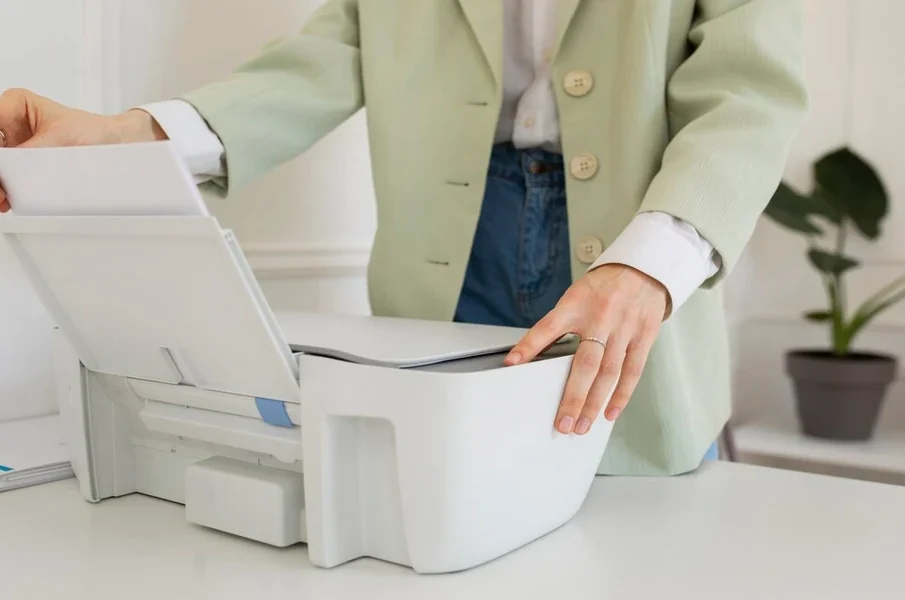
Healthcare institutions deal with massive amounts of paper, such as patient details, prescriptions, lab reports, insurance forms, and medical histories. Processing these documents on paper can slow down administrative processes and make it difficult to access critical information. Printed documents can be transformed into digital files and searchable by using smart scanning and optical character recognition (OCR) technology. The right document management solution can help employees find information faster and cut down on the amount of paper stored. By choosing the best printer for everyday office needs and ensuring a consistent and dependable scanning system, healthcare businesses can set up an organized electronic workflow. The right digitization also helps ensure continuity of care and facilitates easy access to relevant documents where necessary.
The benefits of OCR for digital data management
OCR (Optical Character Recognition) is a technology that recognizes the characters present in the scanned images and then reconstructs the machine-readable data from them. This technology can help healthcare administrators automatically pull data from forms and invoices and from historical documents, without having to retype each item. Organizations considering solutions from Navosupplies might want to review the feasibility of printing and scanning equipment in their document digitization needs. For mass production, laser printers may be suitable, and for scanning and copying, laser-compatible multifunction devices can be used. While OCR can help streamline productivity, sometimes errors may be created due to medical language, handwriting, or poor-quality scans. Human verification is vital when digitized information has a direct impact on treatment for patients, billings, or clinical decisions.
Ensuring Accurate and Patient Privacy
The digitization of healthcare documents is not a simple process of scanning documents and translating them into digital files. Sensitive data needs to be safeguarded using access controls, encryption, secure storage, and retention policies. Original records should be consulted when medication instructions, patient identifiers, or laboratory values are present to ensure that the information in the OCRs is accurate.
Improving Digital Workplace Efficiency
Smart scanning and OCR can be used to streamline administrative processes, facilitate document retrieval, and establish standardized record-keeping procedures in the healthcare industry. The key to successful implementation is to find common documents, set up secure digital workflows, and validate the accuracy of the OCR results for expansion across departments. However, facilities should also have reliable backups and only allow access to confidential records to authorized personnel. When comparing the best printer or laser printers, it is important for businesses to think about how the printer will complement their overall digitization plan and objectives. Navo supplies could be a resource for organizations looking to consider the right equipment for their needs, and Best Budget Printers can catch the attention of smaller practices in the budget constraint category.