The New Economics of African American Hair Extensions: From Beauty Supply to Premium Brand
The textured hair market has changed dramatically over the last several years. What was once treated like a basic beauty supply purchase has increasingly become a premium, trust-led category shaped by brand identity, better education, and a deeper understanding of what Black consumers actually want from their extensions. Today’s shopper is not only looking for hair that looks good in the package. She is looking for realistic texture matching, dependable quality, styling flexibility, reliable customer support, and a brand that understands the cultural and practical realities of textured hair. That shift has created a new business model where premium positioning, personalization, and customer confidence matter just as much as inventory.
From Commodity Purchase to Texture-First Brand Experience
For years, textured hair consumers often had to sort through inconsistent options in stores where product quality, sourcing, and curl accuracy were not always clear. In that older model, natural-texture shoppers looking for African American Hair Extensions were often expected to make quick buying decisions with limited guidance and very little transparency. The focus was largely on what was available on the shelf rather than what would truly match their hair pattern, lifestyle, or styling goals.
The newer market looks very different. Premium brands are no longer selling extensions as a generic beauty item. They are selling better outcomes. That includes more realistic texture families, better consistency from bundle to bundle, clearer education on maintenance, and a shopping experience built around confidence rather than guesswork. In business terms, this is what premiumization looks like: the product is still important, but the value now extends to trust, brand story, and a more informed customer journey.
Convenience and Personalization Are Reshaping Everyday Buying Habits
As more women embrace textured and natural-looking styles, convenience has become a major force in purchasing decisions. Consumers want options that fit real life, whether that means faster installs, easier blending, or flexible styling between appointments. That is why many shoppers with textured hair are paying closer attention to products like Clip In For Black Women, especially when they want versatility without giving up a believable match.
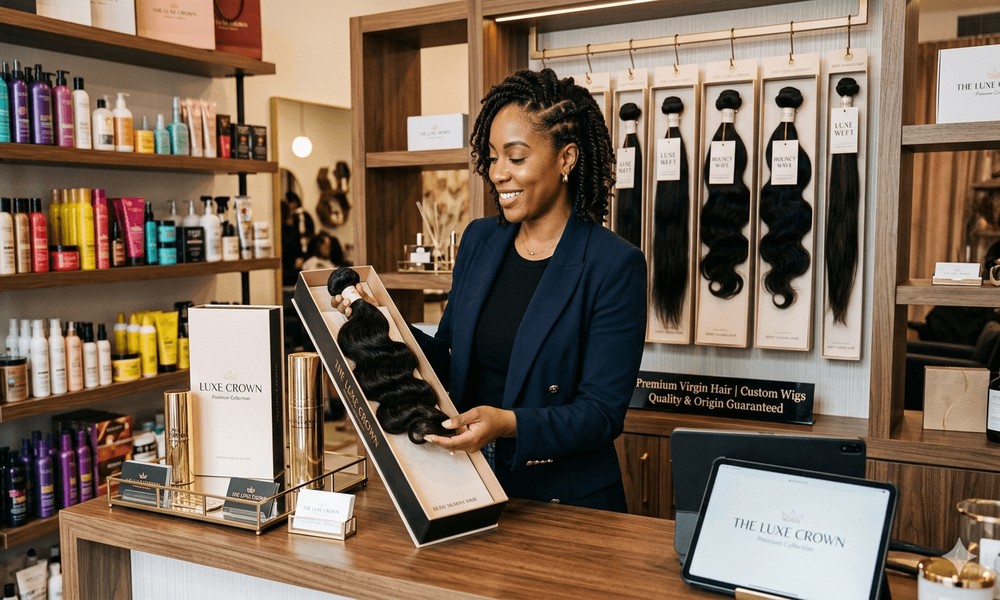
This is also where the business side becomes even more interesting. The brands winning in this space are not simply offering a product type; they are solving for lifestyle. They understand that the consumer may want volume for an event, a polished work look, a protective styling option, or a texture that blends seamlessly with her own strands. When brands build around those use cases, they move beyond retail and into a more premium beauty category where customer loyalty can be much stronger.
The result is a more modern market structure. Customers now expect curated shopping, education, visual proof, and products designed with textured hair realities in mind. Companies that ignore those expectations risk being seen as outdated, even if their pricing is competitive.
Why Trust, Education, and Brand Positioning Now Drive Growth
Modern consumers are more informed, more selective, and less willing to gamble on a product that may not blend properly or perform well after installation. That is one reason newer players in the category are investing heavily in founder credibility, customer education, texture demonstrations, and curated collections instead of simply listing dozens of options without context. When shoppers feel understood, they are more likely to view a brand as a solution partner instead of a one-time seller.
That shift has also changed how successful brands compete. Instead of relying only on price, strong companies now differentiate themselves through things such as:
- Clear texture naming and realistic matching guidance
- Consistent quality standards across collections
- Helpful tutorials and styling education
- Personalized recommendations for different hair routines
- Transparent policies that reduce purchase anxiety
- Brand storytelling that feels culturally aware and relevant
In practical terms, this means the customer is paying for more than the physical product. She is paying for reduced trial and error, less styling frustration, and a much higher chance of getting the look she actually wants. That is a powerful business advantage in a category where disappointment used to be common.
Strategic Takeaways
The business story behind this category is clear: premium growth is being driven by relevance, not just availability. Consumers are rewarding brands that make them feel seen, informed, and supported. In a market once dominated by fragmented retail habits, a stronger direct-to-consumer mindset has opened the door for companies that can combine product quality with credible education and a polished customer experience.
For brands and business leaders, the lesson is simple. The future of this category will likely belong to companies that treat textured extensions as part of a broader beauty ecosystem rather than a commodity transaction. The winners will be the ones that understand that texture precision, consistency, convenience, and trust are not extras. They are now central to how value is created, communicated, and retained over time.