
Why PLA Filament Is the Most Popular Choice for Everyday 3D Printing Projects
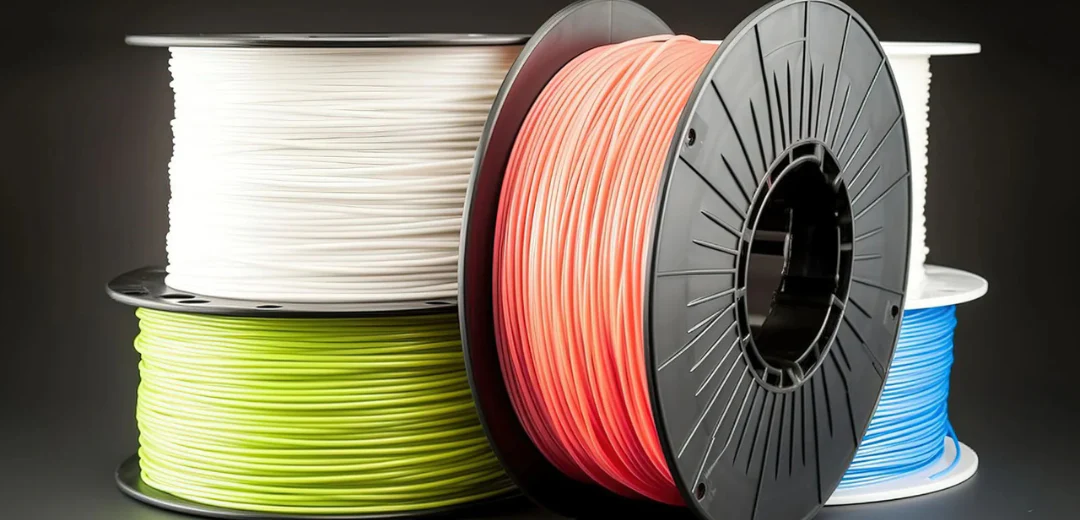
When you are first getting acquainted with 3D printing, a material you will hear mentioned immediately is PLA filament. It is commonly suggested as a beginning, and with reason. PLA filament is simple to print on, it does not require high temperatures, and no matter the result is clean, unlike many other materials.
PLA is an abbreviation of polylactic acid. It is also composed of renewable materials like corn starch or sugarcane thus providing it an advantage against those who want materials that are produced by plants as opposed to petroleum. Although it cannot be said to be perfect in terms of environmental consideration, it is usually regarded to be much greener than most of the conventional plastics.
Consistency is another factor that has made PLA filament so popular. It is easy to go through the majority of desktop 3D printers and is likely to adhesively cling to the print bed. It implies the reduced number of prints that are poorly printed and wasted time setting. That consistency is important to the hobbyist, student and small business proprietor.
The performance of PLA Filament in normal printing.
PLA filament is applicable to decorative, prototyping, models and display. It is also good at detail and therefore ideally suited to miniatures, figurines as well as design mock ups. The fact that it prints at lower temperatures than other materials puts it under lower stresses to entry level printers.
Most individuals have discovered that PLA filament does not tend to be warped as much during printing. Large objects may also be subject to warping where edges may be lifted or prints distorted. This is less of a problem with PLA especially when printing in a stable indoor setting.
Another advantage is the surface finish. With the correct calibration of the printer, PLA filament can be used to create smooth layers and sharp edges. It is also available in a very large variety of colours and finishes such as matte, silk, transparent or even specialty blends. Such diversity creates more space of creativity in creators without altering materials.
Additional limitations that you need to be aware of.
Although PLA filament is a versatile one, it is limited. It is not the most appropriate when it comes to objects that would be subjected to high temperatures. To illustrate, a printed document in a hot car on the Australian summer day may become soft or deformed. The shape of PLA starts to deform at lower temperatures than such materials as ABS or PETG.
It is also brittle as compared to other plastics. That is to say that components that undergo a lot of mechanical stress can crack or snap. When you are printing useful components that require flexibility or strength, then there may be a better material to use.
It can also be an issue with outside use. Excessive exposure of PLA filament to sunlight and wet conditions could cause weakening of the filament with time. In the case of indoor models, or prototypes, this is normally not a problem. However, when it comes to tools or parts that are exposed to the outside environment, durability is one point to be taken into consideration.
Recommendations on How to Achieve better performance with PLA Filament.
PLA filament can give the best results, but one should begin by using appropriate temperature settings. The majority of brands suggest the nozzle temperature to be 190 degrees Celsius to 220 degrees Celsius. The temperature of the bed may be varying, but a well-heated bed may print successfully or not depending on the printer.
Storage is often overlooked. It is possible that PLA filament is able to absorb moisture in the air, this will impact on the quality of prints. To ensure the same results, it is best to keep it in a sealed container with a desiccant pack. Should the filament break or the prints have popping sound, then moisture may be the cause.
It also depends on the calibration of the printers. Adjusting the bed so that it is flat and the initial layer is in place enhances adhesion and minimizes the possibility of failed prints. Minor changes are able to enhance the quality of surfaces and lessen stringing.
Where to find Quality PLA Filament in Australia.
With the increasing trend of 3D printing in Australia, availability of quality materials is increasingly wanted. Frustration and wastage of time can be minimised by selecting high quality PLA filament particularly among the beginners. Regular diameter, tidy winding and precise colour representation are all factors in the enhanced prints.
Filament Hub provides a wide range of options of PLA filament, depending on the kinds of printers and projects, which are available in the local market. Using a single supplier, such as Filament Hub, enables Australian customers to choose between variety of colours and finishes and be sure of product reliability and customer support.