
Innovations and Applications in Modern LED Lighting: A Deep Dive into Wholesale LED Strip Lights and LED Modules
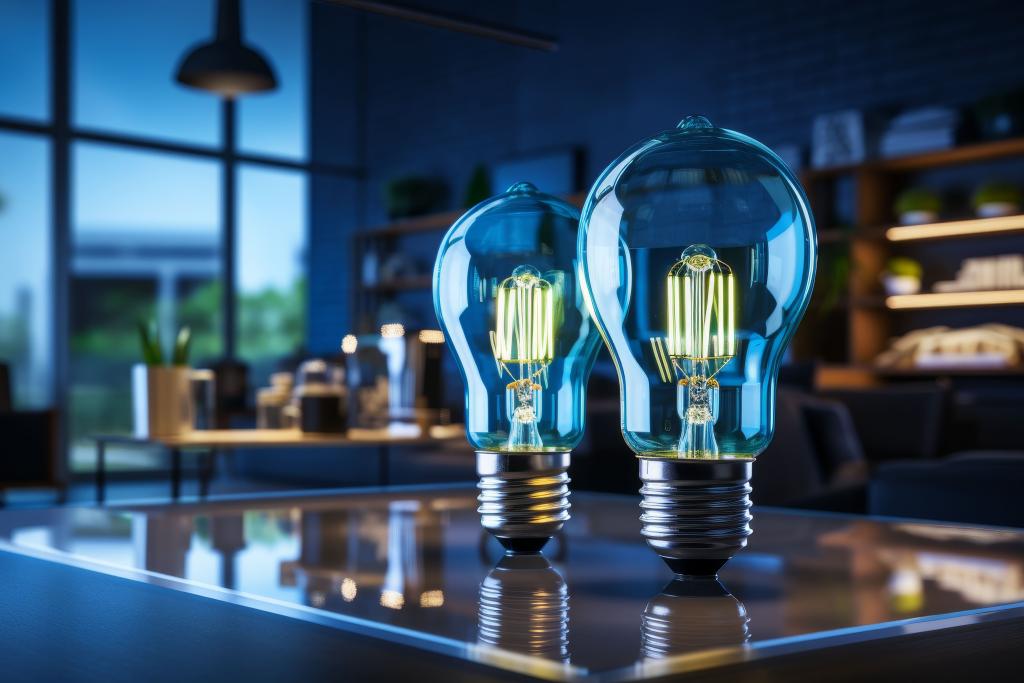
Lighting technology has evolved remarkably over the past few decades, and LED lighting has become a cornerstone of this change. Known for its energy efficiency and versatility, LED lighting is now widely adopted in homes, businesses, and industries alike. Two essential components that stand out in this field are wholesale LED strip lights and LED modules, each offering unique advantages and applications.
Introduction to LED Lighting Technology
LED, or Light Emitting Diode, technology has transformed how we illuminate spaces. Unlike traditional incandescent or fluorescent bulbs, LEDs provide longer lifespan, lower energy consumption, and greater durability. These qualities have made LEDs a preferred choice for various lighting needs, from subtle ambient lighting to bright, functional illumination.
The rise of LED technology is also linked to its adaptability. LEDs can be configured in multiple formats, making them suitable for a range of environments and purposes. Among these, strip lights and modules are particularly notable for their flexibility and efficiency.
Understanding Wholesale LED Strip Lights
LED strip lights are essentially flexible circuit boards populated with tiny LED chips. These strips are designed to be cut to length, bent around corners, and installed in tight or unusual spaces. When purchased in bulk, wholesale LED strip lights become an affordable and practical option for large projects or commercial use.
The appeal of wholesale LED strip lights lies in their versatility. They are often used for accent lighting, backlighting for displays, or under-cabinet lighting in kitchens. Their ability to emit different colors and brightness levels also makes them popular for decorative purposes, enhancing ambiance without the need for bulky fixtures.
Moreover, the thin and flexible design of these strip lights allows for easy installation in places where traditional lighting fixtures might not fit. This makes them a favorite choice for architects, designers, and DIY enthusiasts alike.
Exploring LED Modules and Their Role in Lighting Systems
LED modules are another crucial element in modern lighting solutions. Unlike strip lights, LED modules are individual units that house multiple LEDs arranged in a compact configuration. These modules are typically mounted on rigid boards and come with lenses or diffusers to control light output.
The main difference between LED modules and strip lights is their structural design and typical application. LED modules are often used where more focused or directional lighting is needed, such as in signage, retail displays, or outdoor lighting fixtures.
Many projects require sourcing from a reliable LED module manufacturer to ensure consistent quality and performance. These manufacturers specialize in producing modules that meet specific design and technical standards, helping integrators maintain durability and efficiency in their lighting systems.
LED modules are valued for their reliability and ease of installation in modular systems. Because they are standardized in size and electrical specifications, they can be integrated into larger assemblies or replaced individually if needed. This modularity provides both flexibility and cost-effectiveness over time.
Factors to Consider When Selecting LED Lighting Components
Choosing the right LED lighting involves several considerations. Brightness, measured in lumens, and color temperature, expressed in Kelvins, are primary factors that influence the mood and functionality of a space. For instance, warmer colors create cozy environments, while cooler tones are better suited for workspaces.
Durability is another key aspect, especially for lighting that will be exposed to harsh conditions. The IP rating, which indicates resistance to dust and water, helps determine if a strip light or module can be used outdoors or in damp locations.
Compatibility with power supplies and control systems is essential too. Many LED systems now support dimming or color-changing features, which require specific controllers. Ensuring that the LED components match these technical requirements helps prevent installation issues and extends the lifespan of the system.
Trends in LED Lighting Manufacturing and Design
Manufacturing advances have continuously improved LED lighting components. Materials used for the LEDs and their housing have become more efficient and environmentally friendly. This focus on sustainability is increasingly important as the demand for LED lighting grows globally.
Customization options are also expanding. Many suppliers now offer LED strip lights and modules in various colors, shapes, and sizes to meet specific project needs. This modularity allows designers to create more intricate lighting patterns and effects without starting from scratch.
Energy efficiency remains a top priority in LED design. Innovations like higher lumen output per watt and improved heat dissipation contribute to lower energy consumption and longer product life. These trends reflect the ongoing commitment to reducing environmental impact while enhancing lighting quality.
Practical Insights on Integrating LED Lighting in Projects
Planning and installation are vital to making the most of LED strip lights and LED modules. Understanding the layout, including where to place power supplies and how to route wiring, can simplify the process and prevent issues later on.
Maintenance is relatively low compared to traditional lighting, but it’s still important to consider the lifespan and possible replacements. Modules, for example, can be swapped out individually if one unit fails, while strip lights may require section replacement or re-soldering.
Common challenges include ensuring proper heat management and avoiding voltage drops, especially in longer runs of strip lights. These practical tips help maintain consistent brightness and prevent premature failure.
Conclusion:
The world of LED lighting continues to develop rapidly, driven by innovation and changing needs. Wholesale LED strip lights and LED modules represent two versatile and efficient components that contribute to this evolution. By understanding their characteristics, applications, and selection criteria, it becomes easier to integrate LED lighting effectively in a wide variety of projects.
Whether for ambient illumination, signage, or specialized commercial use, these lighting options offer reliable, energy-efficient solutions that align with modern design trends and sustainability goals. As LED technology advances further, its role in shaping how we light our environments will only become more significant.